Japan’s Cherry Blossom Season: A First-Timer’s Guide
Japan s Cherry Blossom Season: A First-Timer s Guide. Explore practical destinations planning tips, itinerary ideas, and local highlights on Uvqqnt.
Cherry blossom season transforms Japan into a pink wonderland. But timing matters, crowds are real, and the best spots aren’t always the obvious ones. Here’s how to experience sakura like someone who knows what they’re doing.
Timing Your Trip
This is the question everyone asks: when should I go?
The answer frustrates people: it depends. Cherry blossoms follow their own schedule, dictated by temperature patterns that shift yearly. The Japan Meteorological Corporation releases forecasts starting in January, predicting peak bloom dates for major cities.
General guidelines help. Tokyo and Kyoto typically peak in late March to early April. Northern regions like Tohoku and Hokkaido bloom later—sometimes into May. Southern islands like Okinawa start as early as January.
Build flexibility into your itinerary. If you can, plan two weeks spanning late March through early April. This window almost guarantees catching bloom somewhere. Rigid dates? You’re gambling.
Tokyo’s Best Spots
Everyone goes to Ueno Park. And yes, it’s beautiful—over 1,000 trees lining paths where families spread picnic blankets and salarymen drink beer under falling petals. But you won’t be alone. Weekends see crowds that make movement difficult.
Try these alternatives:
Shinjuku Gyoen charges a small fee, which keeps numbers manageable. The mix of early and late-blooming varieties extends the season. Bring a book and claim a patch of lawn.
Meguro River offers a different vibe. Trees line both sides of the canal, creating a pink tunnel. Evening illuminations run during peak season. The water reflects petals drifting downstream.
Rikugien garden stays open late during sakura season. A massive weeping cherry tree dominates the landscape. Traditional garden design provides context the parks lack.
Kyoto’s Temple Gardens
Kyoto hits different during cherry blossom season. The city’s temples and shrines provide backdrops no park can match.
Maruyama Park centers around a giant weeping cherry that gets illuminated at night. Food stalls sell yakitori and sake. The atmosphere feels festive rather than peaceful, but the tree delivers.
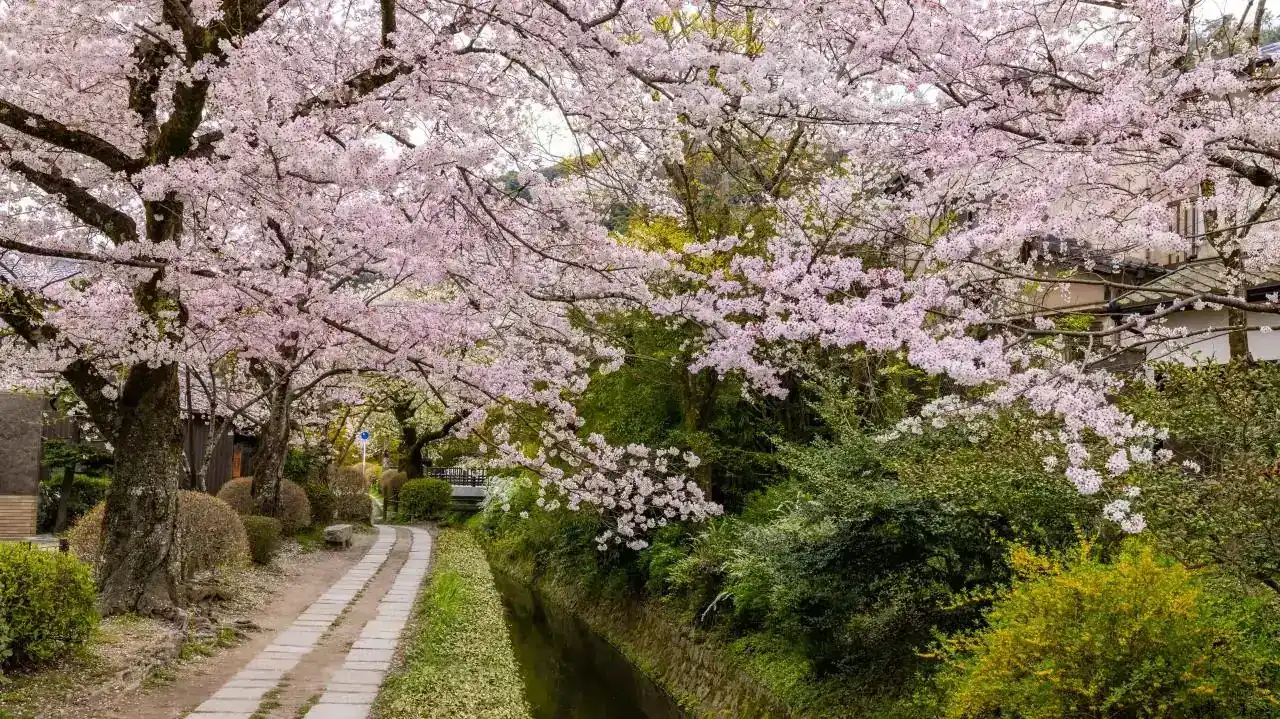
Philosopher’s Path follows a canal lined with hundreds of trees. Walk it early morning before crowds arrive. The northern end near Ginkaku-ji stays quieter than the southern sections.
Arashiyama on the western outskirts combines bamboo groves with riverside cherries. Rent a boat for views from the water. The nearby Tenryu-ji temple garden offers composed landscapes with sakura as accents.
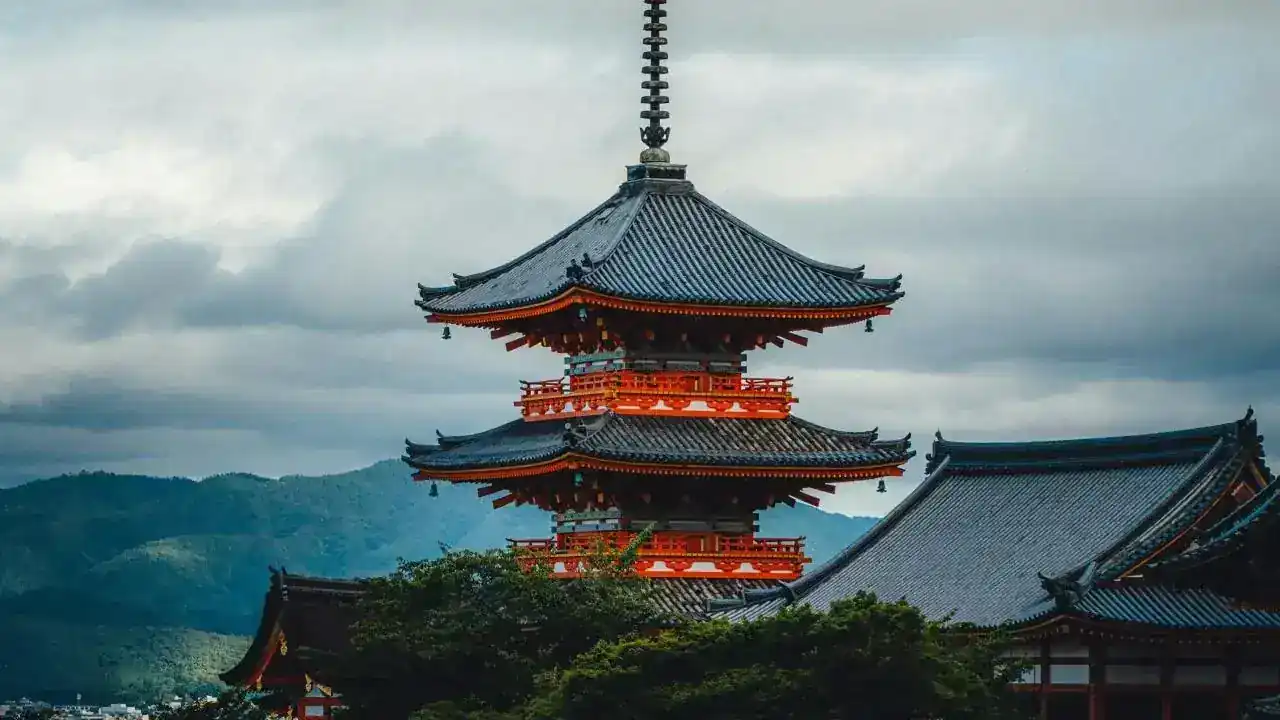
Daigo-ji Temple requires effort to reach but rewards with stunning temple architecture and fewer tourists. The five-story pagoda with cherry blossoms in foreground appears in every Kyoto promotional photo. See it in person.
Beyond the Main Cities
Here’s a secret: some of Japan’s best cherry blossom experiences happen nowhere near Tokyo or Kyoto.
Hirosaki Castle in Aomori Prefecture draws domestic tourists but remains largely unknown internationally. The castle sits in a park with 2,600 trees. Petals fall into the moat, creating a pink carpet on water.
Mount Yoshino in Nara Prefecture has been famous for sakura since medieval times. Over 30,000 trees climb the mountainside in layers. Poets wrote about these views a thousand years ago. They’re still worth the climb.
Kakunodate in Akita preserves a samurai district lined with weeping cherries. The contrast between black wooden fences and pink blossoms creates Japan’s most photogenic spring scenes.
Hanami: The Art of Picnicking
Hanami means “flower viewing,” but really it’s an excuse to drink outside with friends under pretty trees. Japanese people take this seriously.
Offices dispatch junior employees to stake out prime spots in parks early in the morning. Blue tarps claim territory. By evening, colleagues gather with convenience store bento, beer, and sake.
Visitors can join. Bring a tarp or blanket—convenience stores sell cheap ones. Pack food and drinks. Don’t worry about being intrusive. Hanami welcomes everyone.
Some rules: take your trash when you leave. Don’t shake branches or climb trees for photos. Keep noise reasonable in residential areas. Basic decency stuff.
Photography Tips
Cherry blossoms photograph beautifully but present challenges.
Morning light works best. Crowds are thinner, and the low sun creates warm tones on pale petals. Afternoon light gets harsh.
Backlighting makes blossoms glow. Position yourself with sun behind the trees. Expose for the flowers; let backgrounds go dark.
Include context. Close-ups of petals fill memory cards quickly. The best shots place blossoms against temples, rivers, or mountain backdrops. Tell a story about where you are.
Night illuminations offer a different aesthetic. Bring a camera that handles low light or a phone with night mode. Tripods help if venues allow them.
Practical Matters
Booking ahead: Hotels fill during peak season. Reserve three months out for major cities. Last-minute deals don’t exist during sakura.
Transportation: JR Pass covers trains between cities. Within cities, buy IC cards (Suica, Pasmo) for seamless subway travel.
Weather: Spring in Japan is unpredictable. Pack layers. A light rain jacket handles sudden showers. Umbrellas appear at convenience stores everywhere for ¥500.
Money: Japan remains largely cash-based. Carry yen. 7-Eleven ATMs accept foreign cards. Credit cards work at hotels and department stores but not local restaurants.
Crowd management: Japanese people handle crowds with patience. Adopt the same mindset. Early starts beat late arrivals everywhere worth visiting.