Road Tripping New Zealand 's South Island
Road Tripping New Zealand 's South Island. Explore practical destinations planning tips, itinerary ideas, and local highlights on Uvqqnt.
New Zealand 's South Island packs more dramatic landscapes into one landmass than seems geographically possible. Glaciers meet rainforests. Fjords cut through mountain ranges. The best way to see it all? A campervan, two weeks, and no fixed schedule.
Christchurch: The Starting Point
Most South Island road trips begin in Christchurch. The city ‘s still rebuilding after the 2011 earthquake, but the recovery has created something interesting—a mix of heritage architecture and innovative new spaces.
The Cardboard Cathedral sounds like a joke until you see it. Designed by Japanese architect Shigeru Ban, the transitional cathedral uses cardboard tubes as structural elements. It ‘s weird and wonderful.
The Riverside Market complex opened in 2019, bringing food halls and boutique shopping to the Avon River precinct. Grab breakfast here before picking up your rental vehicle.
Allow one day for Christchurch. The real adventure starts when you leave.
Tekapo and the Dark Sky Reserve
Drive three hours inland and the landscape shifts. The Canterbury Plains give way to turquoise lakes ringed by mountains.
Lake Tekapo ‘s famous for a reason. The water really is that blue—glacial flour suspended in the water catches light in ways that don ‘t look natural. The Church of the Good Shepherd sits on the shore, framing mountain views through its window. Photographers queue for the shot. Arrive at dawn or skip it entirely.
Tekapo sits within the Aoraki Mackenzie International Dark Sky Reserve. Light pollution is minimal. Stargazing tours operate nightly. The Milky Way appears so bright you ‘ll question whether you ‘ve ever actually seen stars before.
Stay one night. Two if you ‘re into astronomy.
Mount Cook National Park
Continue west toward New Zealand ‘s highest peak. Mount Cook (Aoraki in Māori) rises 3,724 meters, dominating the skyline for miles.
The village inside the park offers accommodation ranging from backpacker lodges to the luxury Hermitage Hotel. Book ahead in summer—options are limited.
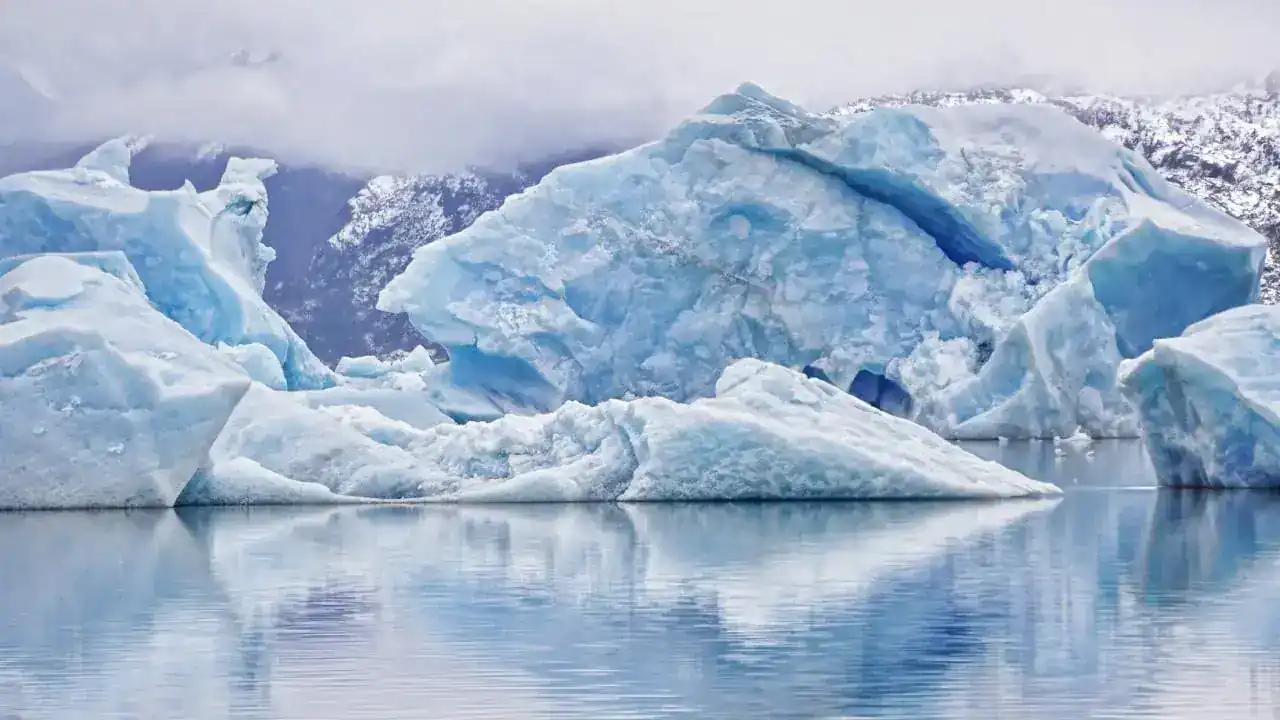
Hooker Valley Track provides the classic day walk. Three hours return, mostly flat, crossing swing bridges over glacial rivers. The track ends at a lake with icebergs floating beneath the mountain. Bring layers; weather changes fast.
Kea birds inhabit the area. These alpine parrots are curious and destructive. Don ‘t leave shoes or windshield wipers unattended. They ‘ll destroy anything rubber.
Queenstown: Adventure Capital
Queenstown divides travelers. Some love the energy, the restaurants, the sheer number of adrenaline activities available. Others find it overpriced and overcrowded. Both perspectives have merit.
Bungy jumping originated here. The Kawarau Bridge site still operates. Jump if you want the story. Watch if you don ‘t.
Skyline Gondola lifts you above town for lake and mountain views. The luge track at the top entertains kids and competitive adults. Restaurant buffets serve mediocre food at stunning locations.
Milford Sound day trips depart from Queenstown. It ‘s a long drive for a day trip—consider overnighting in Te Anau instead. But the scenery delivers. Waterfalls plunge from vertical cliffs. Dolphins sometimes follow boats. Mitre Peak rises sheer from the water.
Wanaka: The Chill Alternative
An hour from Queenstown, Wanaka offers everything its famous neighbor does without the crowds or prices. The lake is equally stunning. The mountains equally dramatic. The vibe infinitely more relaxed.
That Wanaka Tree—the lone willow growing in the lake—has become Instagram famous. Arrive at sunrise or accept sharing the frame with fifty other photographers.
Roy ‘s Peak Track delivers the archetypal New Zealand hiking photo. The trail climbs steeply for three hours to a ridge with the entire region spread below. The final ridge walk looks terrifying in photos but feels manageable in person.
Mount Aspiring National Park borders Wanaka. Day walks and multi-day tramps explore glaciers, river valleys, and alpine meadows. Gillespie Pass makes a challenging three-day circuit.
The West Coast: Wild and Empty
Cross the Haast Pass from Wanaka and the West Coast unfolds—200 kilometers of coastline that feels like the edge of the world.
Fox and Franz Josef Glaciers are the main attractions. Both glaciers descend from the Southern Alps to near sea level, passing through rainforest. It ‘s a geography lesson in contradiction.
Helicopter flights land on the ice. These aren ‘t cheap—expect to pay $400-600—but provide access to areas unreachable on foot. Weather cancellations are common. Build buffer days.
Hokitika Gorge offers one of the West Coast ‘s most photographed spots. The water is impossibly blue, contrasting with white rock and green bush. The swing bridge provides the classic angle.
Punakaiki Pancake Rocks look like stacked flapjacks. Blowholes shoot water through holes in the limestone at high tide. Stop for an hour, stretch your legs, continue north.
Abel Tasman: Golden Beaches
The northern coast of the South Island offers something different: golden sand beaches, native bush, and the country ‘s most popular Great Walk.
Abel Tasman Coast Track takes three to five days to complete. Water taxis service points along the coast, allowing partial walks without committing to the full distance. Day walks from Anchorage or Torrent Bay work well.
Kayaking the coastline reveals secluded coves inaccessible on foot. Seals inhabit offshore islands. Penguins occasionally appear. The water looks tropical but remains cold—pack a wetsuit if you plan to swim.
The park gets busy in summer. Book accommodation and water transport well in advance.
Practical Road Trip Tips
Campervan vs. car: Campervans provide flexibility but cost more in fuel and campsite fees. Cars plus motels often work out cheaper. Do the math for your group size.
Driving times: New Zealand roads are winding and slow. Allow more time than maps suggest. Speed limits are lower than most countries, and police enforce them strictly.
Freedom camping: You can ‘t just park anywhere. Download the CamperMate app for legal camping spots. Fines for illegal camping run into hundreds of dollars.
Weather: The South Island ‘s weather is notoriously changeable. Check forecasts daily. Be prepared to adjust plans. Mountain passes sometimes close due to snow, even in spring and autumn.
Sandflies: The West Coast ‘s only real annoyance. They bite and itch for days. Insect repellent is mandatory. Cover exposed skin at dawn and dusk.