
Safari in Kenya: First-Timer's Guide to the Masai Mara
Safari in Kenya: First-Timer's Guide to the Masai Mara. Explore practical destinations planning tips, itinerary ideas, and local highlights on Uvqqnt.
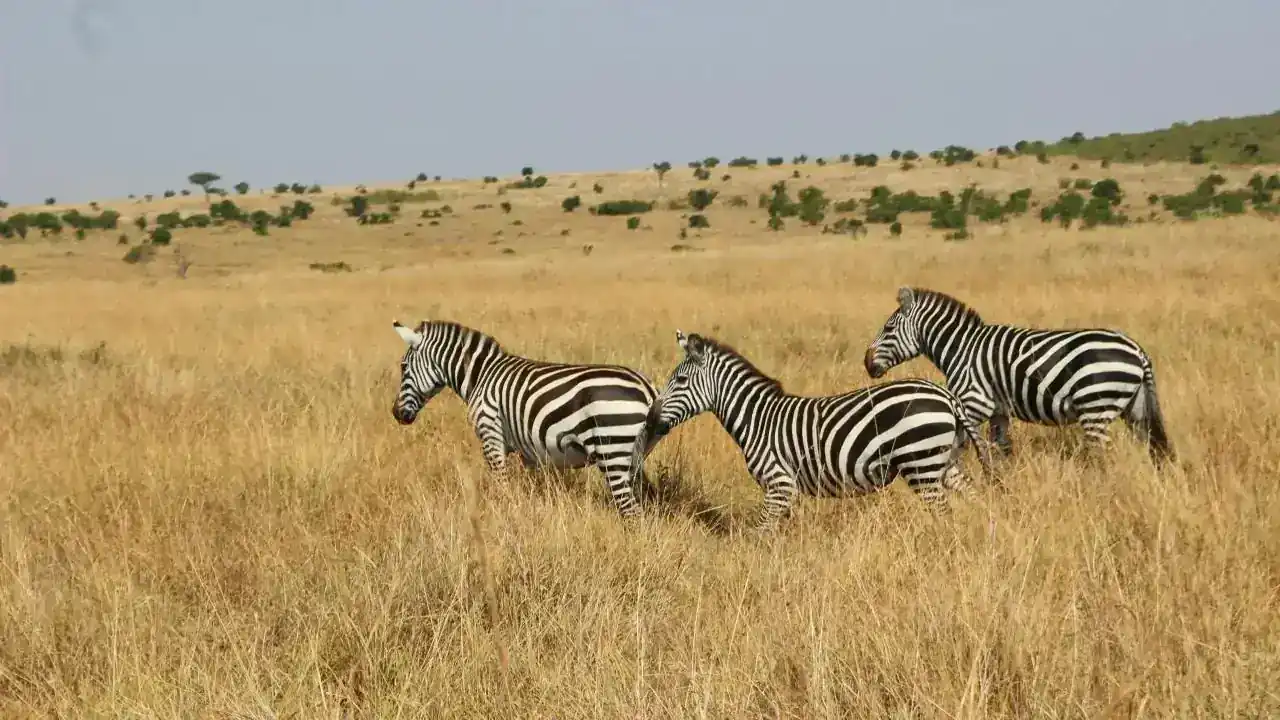
The Masai Mara delivers the Africa you've seen in documentaries—endless savannah, big cats on the hunt, and herds of wildebeest stretching to the horizon. But planning your first safari can feel overwhelming. Here's how to do it right.
When to Visit
Timing shapes everything in the Mara.
Great Migration (July-October): Over a million wildebeest and zebra cross from Tanzania’s Serengeti into the Mara. River crossings happen—thousands of animals plunging through crocodile-infested waters. It’s dramatic and crowded. Prices peak. Book a year ahead.
Green Season (November-June): Rain transforms the landscape. Lush grass, dramatic skies, fewer tourists. The migration is elsewhere, but resident wildlife remains. Photographers love this period for the light and colors. Rates drop significantly.
Best compromise: January-February offers excellent weather, newborn animals, and moderate crowds. The Mara never truly empties—resident cats hunt year-round.
Getting There
Most visitors fly from Nairobi. The options matter for your budget and schedule.
Scheduled flights depart Wilson Airport twice daily. Flight time: 45 minutes. Cost: $250-350 one way. This is how most people arrive.
Charter flights offer flexibility but cost more. Useful for groups or unusual itineraries.
Road transfer takes 5-6 hours on rough roads. The journey itself is an experience—you pass through Masai villages and see rural Kenya. Budget option at $100-150 per vehicle. Not recommended if you’re prone to motion sickness.
The Mara has multiple airstrips. Know which one serves your camp before booking flights.
Where to Stay
Accommodation ranges from basic to ultra-luxury. The location matters more than thread count.
Inside the Reserve: Higher park fees but prime locations. You’re already in the action when game drives start. Limited options mean higher prices.
Private Conservancies: Bordering the reserve, these areas offer exclusive experiences with fewer vehicles at sightings. Night drives and walking safaris are permitted here (not inside the reserve). Lower fees offset higher accommodation costs.
Budget camps: $150-250 per night including meals and shared game drives. Basic tents, bucket showers, and communal dining. The experience is authentic if not luxurious.
Mid-range lodges: $300-500 per night. Permanent tents or cottages with en-suite bathrooms. Better food, smaller groups on drives.
Luxury camps: $600-1,200+ per night. Canvas suites with king beds, private decks, and butler service. Gourmet meals and expert guides. This is how the other half safaris.
Game Drives: What to Expect
Early morning and late afternoon drives bookend each day. Animals are most active during cooler hours. Midday heat sends everything into shade.
Morning drives start before dawn. Coffee and biscuits at camp, then out as the sun rises. Light is golden. Predators are often still hunting or returning from kills. Three to four hours in the vehicle.
Afternoon drives begin around 4pm and continue past sunset. Spotlights reveal nocturnal animals on the return journey. Lions become active. Leopards emerge from trees.
Full-day drives target the migration river crossings. Pack lunch and stay out all day. Exhausting but worth it during peak season.
The Big Five: Lion, leopard, elephant, rhino, buffalo. Seeing all five takes luck and time. Most visitors manage three or four. Rhinos are rarest in the Mara—fewer than 50 black rhinos roam the reserve.
Beyond Game Drives
The Mara offers more than sitting in vehicles.
Walking safaris operate in private conservancies. Armed rangers lead small groups through bush. Being on foot changes everything—suddenly you’re part of the ecosystem rather than an observer in a metal box. Morning walks last 2-3 hours.
Balloon safaris launch at dawn. An hour floating above the plains as the sun rises. Champagne breakfast lands on the savannah. Costs $450-500 per person. Touristy? Yes. Worth it? Also yes.
Cultural visits to Masai villages provide context beyond wildlife. Dances, traditional homes, and discussions about how conservation affects local communities. Some find it authentic; others feel it’s staged. Approach with an open mind.
Photography Tips
Bring the longest lens you own. 200mm minimum; 400mm better. Animals are closer than you expect, but frame-filling shots require reach.
Bean bags stabilize cameras on vehicle edges. Most guides have them; confirm in advance.
Dust is constant. Never change lenses in the field if avoidable. Bring a blower and microfiber cloth. Protect gear when driving between sightings.
Golden hour light is brief. Set ISO higher to maintain shutter speed. Animals move fast; 1/1000 second minimum for running subjects.
Video matters. Sometimes still photos don’t capture the moment. Record lions roaring, herds moving, babies playing. The sounds add dimension.
Practical Matters
Health: Yellow fever vaccination required for entry from certain countries. Malaria prophylaxis essential. Bring sunscreen—the equatorial sun burns fast.
Money: Kenya Shillings for tips and curios. Credit cards work at most lodges. Bring USD cash for visa fees.
Tipping: Expected. Guidelines: $10-15 per guest per day for guides; $5-10 for camp staff. Budget accordingly.
Connectivity: WiFi exists at most lodges but ranges from slow to non-existent. Safaricom SIM cards work best if you need reliable data.
Packing: Neutral colors (khaki, olive, brown). White shows dirt immediately; black attracts tsetse flies. Layers for cold mornings and hot afternoons. Wide-brimmed hat. Binoculars—decent ones, not toys.
The Reality Check
Safaris aren’t relaxing. Early mornings, bumpy roads, and hours in vehicles exhaust you. You’ll see dead animals—predation is real. Dust penetrates everything. Costs add up quickly.
But you’ll also witness moments that redefine your understanding of wildness. Lions at a kill. Elephants protecting calves. A cheetah’s hunt in real time. Stars in skies you didn’t know existed.
The Mara changes people. It’s worth every challenge.