Island Hopping in Greece: Beyond the Postcards
Island Hopping in Greece: Beyond the Postcards. Explore practical destinations planning tips, itinerary ideas, and local highlights on Uvqqnt.
Santorini sunsets and Mykonos beaches get all the attention, but Greece has over 200 inhabited islands. The real magic happens when you venture beyond the Instagram hotspots—to islands where grandmothers still bake bread in outdoor ovens and the only crowds are locals at the waterfront taverna.
The Ferry System
Greek island hopping requires understanding the ferries.
Slow ferries (conventional vessels) carry cars and take their time. Naxos to Paros might take two hours. They’re cheaper, more stable in rough seas, and offer outdoor decks for the journey.
High-speed ferries (catamarans) cut travel time in half. They’re more expensive, often enclosed, and can cancel due to weather. Not all routes have high-speed options.
Season matters. July and August see the most departures—and the most passengers. September offers fewer crowds and still-warm water. October brings uncertainty; schedules reduce significantly.
Book ahead during peak season. Ferries sell out. Use Direct Ferries or Greek Ferries websites. Print tickets or download the app—some ports require physical tickets.
Sea sickness: It happens. The Aegean gets choppy. Medication helps. Outside decks and horizon-gazing reduce symptoms.
The Cyclades: Classic Greece
White cubic buildings, blue domes, and windmills define this island group southeast of Athens.
Santorini can’t be skipped entirely. Oia’s sunset really is that beautiful. But stay in a less touristy village—Pyrgos or Megalochori—and visit Oia as a day trip. The caldera views remain stunning from anywhere on the cliff side.
Naxos offers everything Santorini does without the crowds. Mountain villages, excellent beaches, and genuine tavernas. Portara, the massive marble doorway to an unfinished temple, frames sunset views. Rent a car and explore—two days isn’t enough.
Paros balances tourism and tradition. Naoussa, the main port, offers chic shops and restaurants. Mountain villages like Lefkes preserve older rhythms. Kolymbithres Beach features sculpted rock formations and calm water.
Folegandros is what Santorini was thirty years ago. Dramatic cliffs, minimal development, and one of Greece’s most beautiful main towns (Chora). No airport means fewer visitors. The ferry connection keeps it accessible.
Milos delivers beaches in extraordinary variety. Sarakiniko’s white volcanic rock looks lunar. Kleftiko’s sea caves require boat access. Firiplaka offers golden sand. The island rewards exploration.
The Dodecanese: Near Turkey
These islands cluster near the Turkish coast, blending Greek and Ottoman influences.
Rhodes combines medieval history with beach resorts. The Old Town’s Street of Knights and Palace of the Grand Masters feel genuinely medieval—because they are. The rest of the island offers beaches ranging from developed to isolated.
Symi is the Dodecanese’s jewel. Colorful neoclassical houses climb amphitheatrically from a perfect harbor. No airport, no package tourism. Day trips from Rhodes are possible, but overnight stays reveal the island’s quiet hours.
Patmos holds religious significance—St. John wrote Revelation here. The Monastery of St. John and Cave of the Apocalypse draw pilgrims. The rest of the island offers beaches and unspoiled villages to those uninterested in religious history.
Leros remains largely undiscovered. A deep natural harbor attracts sailors. Italian architecture from the occupation era distinguishes it from other Greek islands. Local life continues largely unaffected by tourism.
The Ionian Islands: West Coast
Green and mountainous, these islands off Greece’s western coast feel different from the arid Cyclades.
Corfu has absorbed more foreign influence than most Greek islands—Venetian, French, British. The Old Town is a UNESCO site. Inland villages preserve traditions the coastal resorts abandoned decades ago.
Kefalonia gained fame from “Captain Corelli’s Mandolin.” The beaches live up to the hype—Myrtos appears on every Greek tourism poster. Assos village offers quiet beauty. The island is large enough to warrant a week.
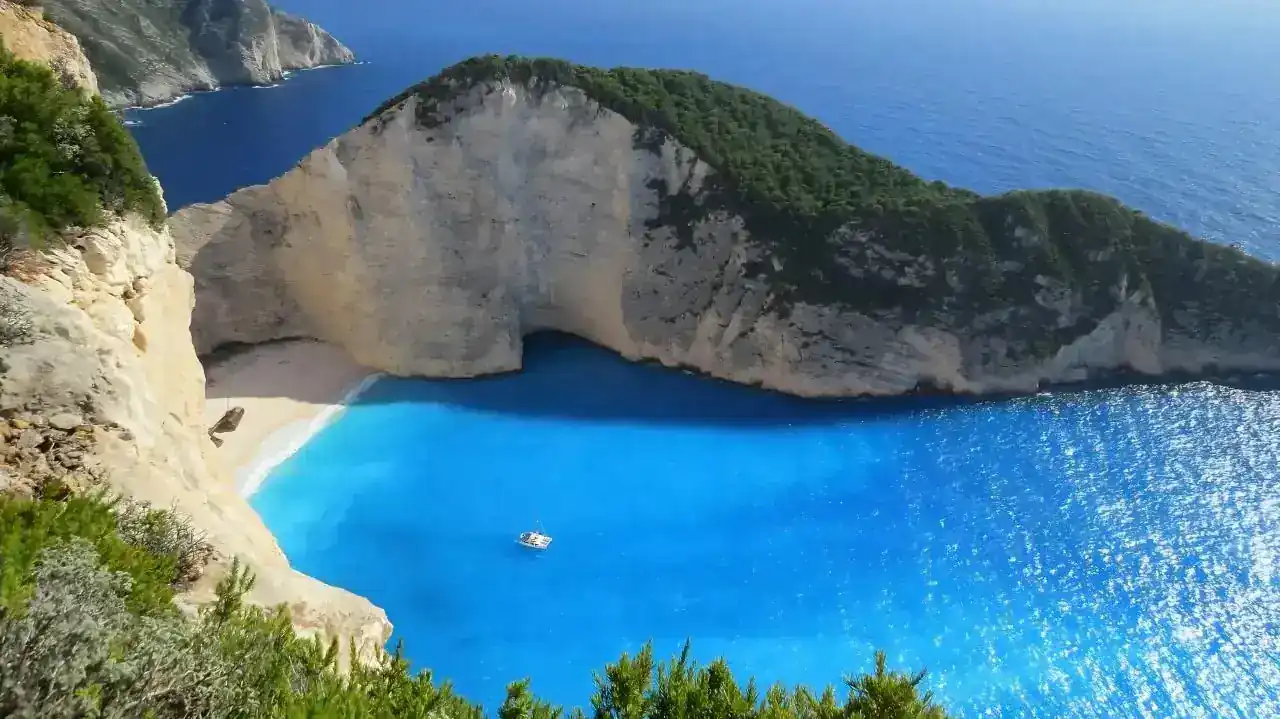
Zakynthos (Zante) balances party beaches with nature. Navagio (Shipwreck Beach) is the famous one—accessible only by boat, constantly photographed. The inland villages see few tourists. Loggerhead turtles nest on Laganas Bay.
Ithaca is small and quiet. Homer’s legendary home of Odysseus attracts literate travelers. Two main villages, scattered beaches, minimal development. Come here to do nothing.
Crete: A Country Unto Itself
Crete is large enough to be its own destination. Most visitors sample a portion.
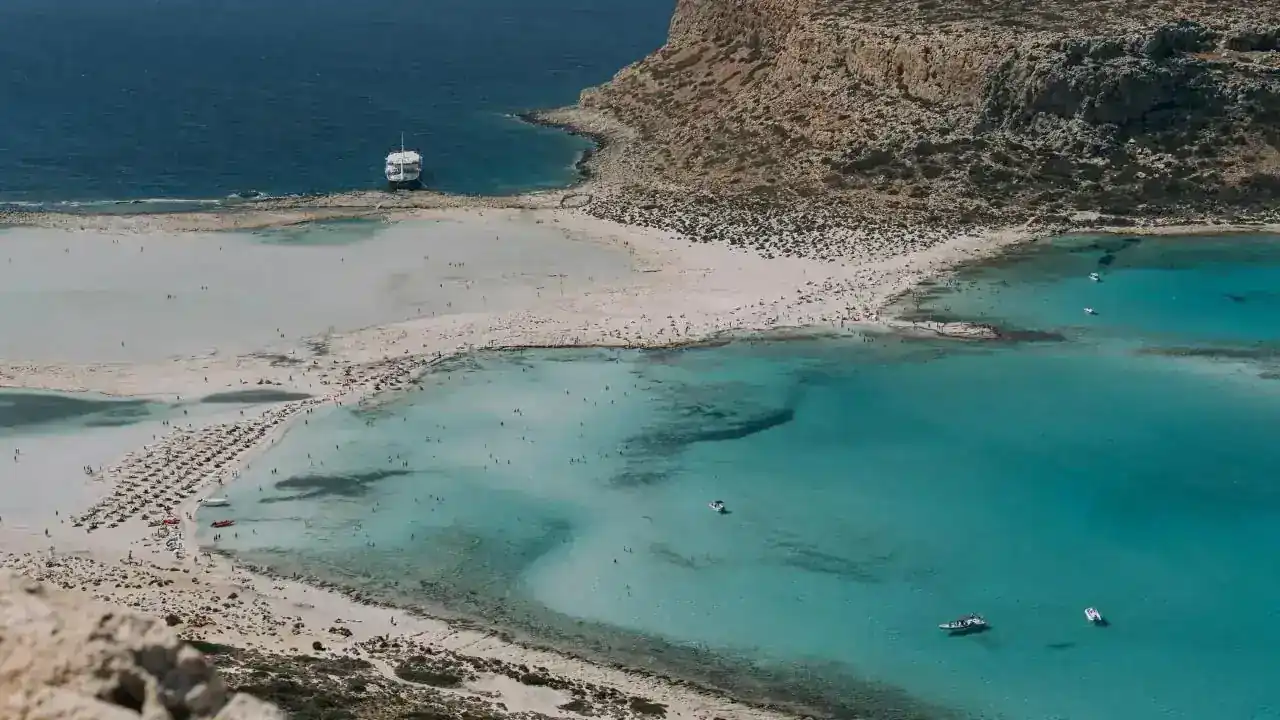
Chania is the most beautiful city. The Venetian harbor, Ottoman quarter, and covered market create layers of history. Beaches are accessible by bus. The Samaria Gorge hike requires a full day but delivers dramatic scenery.
Heraklion serves as the main port and Knossos access point. The Minoan palace complex represents Europe’s oldest civilization. The city itself is busy and less charming than Chania—visit for the museum and ruins, stay elsewhere.
Southern Crete offers isolation. Chora Sfakion and Paleochora access beaches reachable only by boat. The Libyan Sea stays warm late into autumn. Development is minimal.
Planning Your Route
Time required: Minimum one week per island group. A classic Cyclades route (Naxos-Paros-Santorini) needs ten days minimum. Trying to see more means spending more time on ferries than on islands.
Island clusters: Stick to one group per trip. Hopping between Cyclades and Ionian requires returning to Athens. Better to explore one region thoroughly.
The Athens factor: Most routes start or end in Athens. Allow at least two days for the city. The Acropolis Museum alone justifies the stop.
Season: May-June and September-October offer the best balance of weather and manageable crowds. July-August bring heat and tourists. November-April means limited ferry service and closed hotels.