Kyoto 2026: Cherry Blossom Guide, Visa Info, Itineraries Tips
Kyoto 2026: Cherry Blossom Guide, Visa Info, Itineraries Tips. Explore practical destinations planning tips, itinerary ideas, and local highlights on Uvqqnt.
This guide covers 2026 visa rules, cherry blossom packing, 6-day itineraries, kimono rental tips, and an editable seasonal template for your Kyoto trip.
Visa & Entry Requirements: Traveling to Kyoto in 2026
If you’re from the US, Canada, Australia, the EU, or most Western countries, you can enter Japan visa-free for up to 90 days - perfect for a trip to Kyoto. All you need is a valid passport (with at least 6 months validity) and a confirmed return ticket. No visa application, no fees, just a quick check at the airport.
For travelers from other countries, you’ll need to apply for a tourist visa. The process is straightforward: fill out the application form, provide a passport photo, proof of accommodation, and a copy of your flight itinerary. Apply at your local Japanese embassy or consulate at least 2 weeks before your trip - processing time is usually 5-7 days.
Pro tip: When you arrive in Japan, you’ll need to fill out a disembarkation card and a customs declaration form. You can fill these out online before your flight (using the Visit Japan Web app) to save time at the airport. I did this on my last trip, and it cut my airport wait time in half.
Packing List: Cherry Blossom Season & Traditional Kyoto
Kyoto’s cherry blossom season (late March to early April 2026) is magical, but the weather can be unpredictable. Here’s what to pack to stay comfortable and stylish:
Clothing: Layer up! Mornings and evenings are cool (10-15°C/50-59°F), but afternoons can be warm (20-25°C/68-77°F). Pack a lightweight sweater, a few long-sleeve shirts, jeans or leggings, and a waterproof jacket (cherry blossom season often has light rain). Avoid bright colors if you plan to rent a kimono - neutral tones (black, gray, beige) complement kimonos best.
Essentials: Comfortable walking shoes are a must - Kyoto’s temples and gardens are spread out, and you’ll be walking on stone paths. Bring a small umbrella (compact ones are easy to carry), a portable charger, and a reusable water bottle (you can fill it up at public water fountains). Sunscreen and sunglasses are also important - the sun reflects off the cherry blossoms, making it brighter than you think.
Cherry Blossom Extras: A camera (or a good phone camera) to capture the cherry blossoms. A small tote bag to carry your essentials while wearing a kimono (kimonos don’t have pockets!). If you have allergies, bring antihistamines - cherry blossom pollen can be strong.
What to leave: Heavy winter clothing - even in late March, it’s rarely cold enough for a thick coat. Also, skip high heels - they’re uncomfortable on stone paths and not practical with kimonos. Avoid large backpacks - they’re bulky and can be a hassle in crowded temples.
6-Day Itinerary: Cherry Blossom & Traditional Kyoto (By Group)
For Cherry Blossom Enthusiasts
Day 1: Arrival and Maruyama Park - Check into a ryokan (traditional inn) near Gion. In the evening, visit Maruyama Park - it has the oldest cherry tree in Kyoto (over 100 years old) and is illuminated at night.
Day 2: Philosopher’s Path & Ginkaku-ji - Walk the Philosopher’s Path (lined with cherry trees) at sunrise (less crowded). Visit Ginkaku-ji (Silver Pavilion) afterward, then have lunch at a nearby tea house.
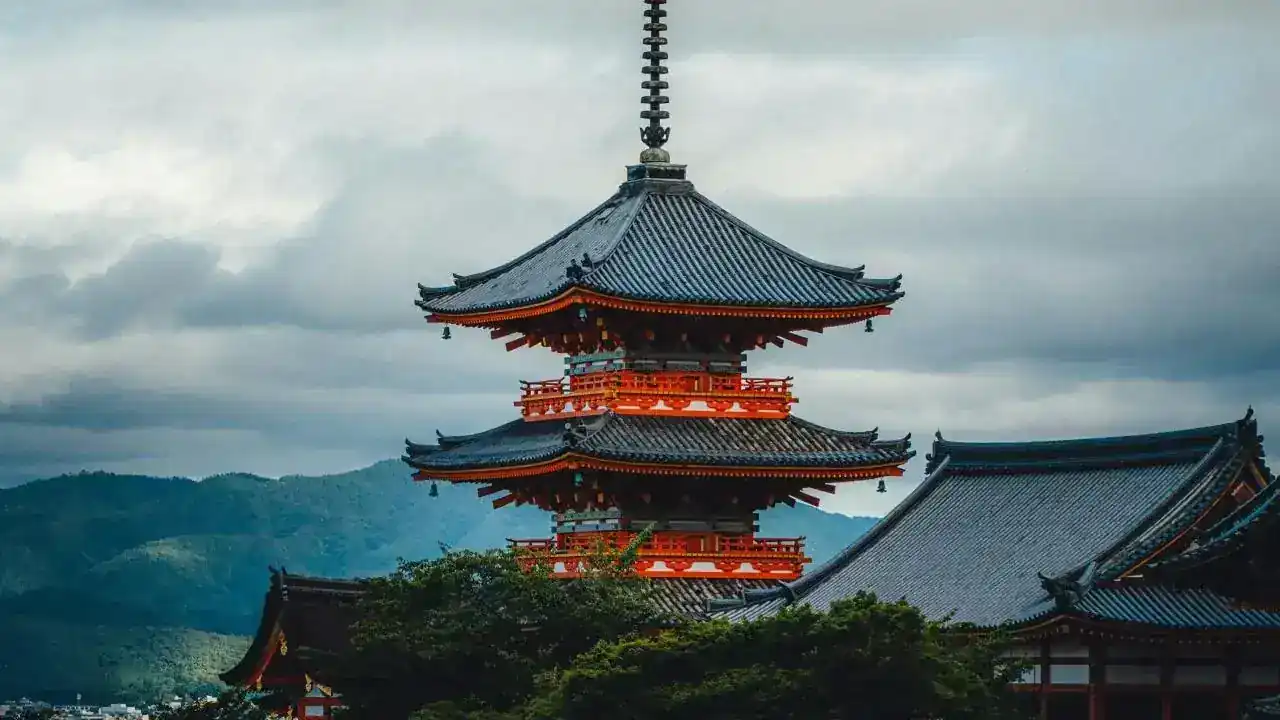
Day 3: Fushimi Inari Taisha & Kiyomizu-dera - Hike the Fushimi Inari Shrine’s torii gates in the morning, then head to Kiyomizu-dera for cherry blossom views from the wooden terrace. Evening: Gion District for a stroll.
Day 4: Arashiyama Bamboo Grove & Togetsukyo Bridge - Visit the bamboo grove early to avoid crowds, then walk to Togetsukyo Bridge for cherry blossoms along the river. Have lunch at a local soba restaurant.
Day 5: Day trip to Nara - Visit Todai-ji Temple (home to the Great Buddha) and feed the deer in Nara Park. In the afternoon, visit Kasuga Taisha (famous for its lanterns).
Day 6: Kinkaku-ji & Farewell - Visit Kinkaku-ji (Golden Pavilion) in the morning, then do some last-minute shopping for traditional souvenirs (like matcha tea or pottery). Evening: Dinner at a ryokan with kaiseki (multi-course meal).
For Couples Seeking Tradition & Romance
Day 1: Arrival and Gion District - Check into a boutique ryokan in Gion. Evening: Stroll through Gion in search of geisha (maiko) - be respectful and don’t take photos without permission. Dinner at a traditional kaiseki restaurant.
Day 2: Kimono Rental & Kiyomizu-dera - Rent a kimono in Gion (€50-80 for the day) and visit Kiyomizu-dera. Have a tea ceremony at a nearby tea house for a romantic experience.
Day 3: Philosopher’s Path & Cherry Blossom Picnic - Pack a picnic of sushi and matcha desserts, then walk the Philosopher’s Path. Stop at a quiet spot to enjoy the cherry blossoms together.
Day 4: Arashiyama & Monkey Park - Visit the bamboo grove and Togetsukyo Bridge, then hike to the Arashiyama Monkey Park for views of the valley. Evening: Dinner with river views in Arashiyama.
Day 5: Day trip to Kobe - Visit Kobe for fresh Kobe beef dinner (splurge on a romantic meal) and a stroll along the waterfront. Return to Kyoto in the evening.
Day 6: Relaxation & Farewell - Spend the morning at a traditional onsen (hot spring) in your ryokan. Afternoon: Visit a matcha café for a sweet treat, then pack your bags. Evening: Departure.
For Families with Kids (Ages 5-12)
Day 1: Arrival and Kyoto Tower - Check into a family-friendly hotel near Kyoto Station. Visit Kyoto Tower for panoramic views of the city - kids love the observation deck.
Day 2: Fushimi Inari Taisha & Inari Shrine Kids’ Trail - Hike the shorter kids’ trail at Fushimi Inari (1-2 hours) - the torii gates are fun for kids to walk through. Have lunch at a nearby udon restaurant.
Day 3: Kyoto Aquarium & Nishiki Market - The aquarium has a wide variety of sea creatures, including dolphins. In the afternoon, visit Nishiki Market (food market) to let the kids try different snacks (like mochi and takoyaki).
Day 4: Arashiyama Bamboo Grove & Monkey Park - Kids love the bamboo grove and feeding the monkeys at the Arashiyama Monkey Park. Have lunch at a soba restaurant with outdoor seating.
Day 5: Day trip to Nara - Feed the friendly deer in Nara Park (buy deer crackers for €2), visit Todai-ji Temple, and let the kids play in the park.
Day 6: Kiyomizu-dera & Souvenir Shopping - Visit Kiyomizu-dera (kids will love the wooden terrace), then go shopping for kid-friendly souvenirs (like anime toys or traditional crafts). Evening: Dinner at a family-friendly sushi restaurant.
Kimono Rental & Temple Etiquette: Respect Traditional Kyoto
Renting a kimono is a must when visiting Kyoto - it’s a great way to immerse yourself in the culture. Here’s what you need to know:
Kimono Rental: There are plenty of rental shops in Gion and near major temples. Prices range from €50-80 for a full day (kimono, obi, geta - traditional sandals). I recommend booking in advance during cherry blossom season - shops fill up fast. The staff will help you put on the kimono (it’s tricky to do yourself!) and can style your hair for an extra €10-15.
Temple Etiquette: When visiting temples, remove your shoes before entering the main hall (there are usually shoe racks). Speak quietly and be respectful of worshippers. Don’t touch the artifacts or take photos where it’s prohibited (look for signs). If you’re wearing a kimono, be careful not to trip on the hem - walk slowly and take small steps.
Cherry Blossom Etiquette: Don’t pick the cherry blossoms or shake the trees - it’s considered rude. Also, don’t block the paths when taking photos - be mindful of other tourists. Many parks have designated picnic areas, so stick to those if you’re having a picnic.
Editable Seasonal Itinerary Template: Customize for Cherry Blossom Season
Use this template to plan your Kyoto trip around cherry blossom season - adjust based on the bloom time (check the 2026 cherry blossom forecast closer to your trip):
Day 1: Arrival - Airport transfer [e.g., train from Osaka Airport to Kyoto €15/taxi €80]. Accommodation [e.g., ryokan €150/hotel €100]. Evening: [Cherry Blossom Spot 1, e.g., Maruyama Park] - arrive at [Time] for evening illumination. Dinner: [Traditional Restaurant €X, e.g., €30].
Day 2: Morning: [Cherry Blossom Spot 2, e.g., Philosopher’s Path] at [Time, e.g., 7 AM] to avoid crowds. Lunch: [Tea House €X, e.g., €20]. Afternoon: [Temple 1, e.g., Ginkaku-ji €8]. Evening: [Gion District] stroll and dinner [€X, e.g., €25].
Day 3: Morning: [Kimono Rental €X, e.g., €70] and [Temple 2, e.g., Kiyomizu-dera €6]. Lunch: [Local Café €X, e.g., €15]. Afternoon: [Cherry Blossom Spot 3, e.g., Kiyomizu-dera Terrace]. Evening: [Kaiseki Dinner €X, e.g., €50].
Day 4: Morning: [Temple 3, e.g., Fushimi Inari Taisha free]. Lunch: [Udon Restaurant €X, e.g., €12]. Afternoon: [Day Trip Destination, e.g., Nara €10 round trip] - visit [Attraction, e.g., Todai-ji €10]. Evening: Return to Kyoto, dinner [€X, e.g., €18].
Day 5: Morning: [Cherry Blossom Spot 4, e.g., Arashiyama River] and [Bamboo Grove free]. Lunch: [Soba Restaurant €X, e.g., €14]. Afternoon: [Activity, e.g., Monkey Park €5]. Evening: [Relaxation, e.g., onsen free at ryokan].
Day 6: Morning: [Temple 4, e.g., Kinkaku-ji €8]. Lunch: [Matcha Café €X, e.g., €10]. Afternoon: [Souvenir Shopping €X, e.g., €30]. Evening: Departure - [Transport to Airport €X, e.g., €15].
Pro tips for customization: Add notes about cherry blossom bloom times (check the Japan Meteorological Agency’s forecast), book ryokans and kimono rentals in advance, and leave extra time for photos at each cherry blossom spot.
Final thoughts: Kyoto is a city where tradition meets beauty, and 2026’s cherry blossom season is sure to be unforgettable. Whether you’re chasing cherry blossoms, wearing a kimono, or exploring ancient temples, you’ll feel like you’ve stepped into a different world. Remember to be respectful of local customs - small gestures like removing your shoes at temples and speaking quietly go a long way. Take your time to savor the moment - sit under a cherry tree, drink a cup of matcha, and let Kyoto’s magic sink in. This guide will help you plan a trip that’s both memorable and stress-free, no matter who you’re traveling with.