
Buenos Aires 2026: Tango Guide, Visa Tips, Itineraries & Food Adventures
Buenos Aires 2026: Tango Guide, Visa Tips, Itineraries & Food Adventures. Explore practical destinations planning tips, itinerary ideas, and local highlights on Uvqqnt.
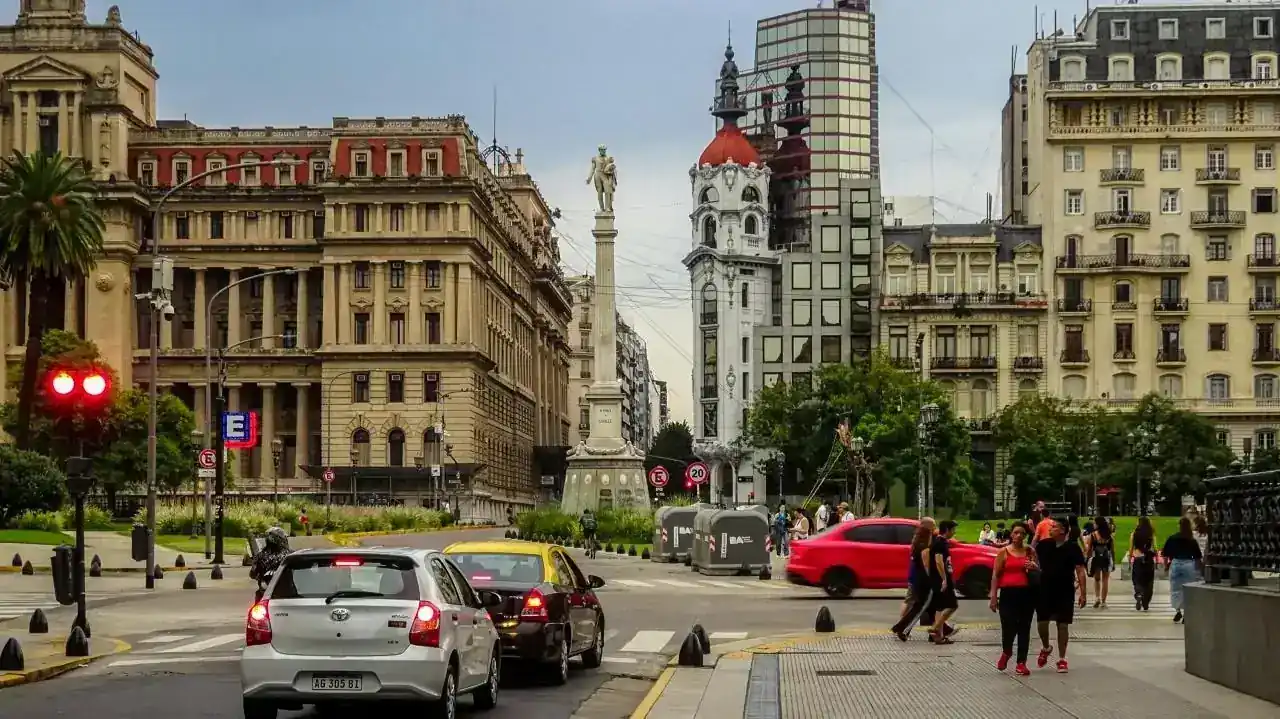
This guide includes 2026 visa info, packing tips, 5-day itineraries, tango lesson tips, and an editable food-focused template for your Buenos Aires trip.
1. Visa & Entry Requirements: Traveling to Buenos Aires in 2026
Visa rules for Buenos Aires are straightforward for most travelers. If you’re from the US, Canada, Australia, the EU, or most European countries, you can enter Argentina visa-free for up to 90 days. You just need a valid passport (with at least 6 months validity) and a confirmed return ticket. No visa application or fees - just present your passport at the border, and they’ll stamp it with your 90-day stay.
For travelers from other countries, you’ll need to apply for a tourist visa. The process involves filling out an online application, providing a passport photo, proof of accommodation, and a bank statement (to show you have enough money for your trip). Apply at least 3 weeks before your trip - processing time can take up to 2 weeks.
Pro tip: When you arrive in Buenos Aires, you’ll need to pay a reciprocity fee if you’re from the US, Canada, or Australia. The fee is around €100-150, and you can pay it online before your trip or at the airport. I paid online in advance, which saved me time at the airport - no waiting in long lines.
2. Packing List: Weather-Ready for Buenos Aires’ Seasons
Buenos Aires has a temperate climate, with summer (December-February) being hot and humid, and winter (June-August) being cool. If you’re visiting in 2026 (spring is September-November, fall is March-May), here’s what to pack:
Clothing: For spring/fall (March-May), pack lightweight sweaters, long-sleeve shirts, jeans, and a light jacket. For summer (December-February), bring t-shirts, shorts, dresses, and a hat to beat the heat. For winter (June-August), pack a warm jacket, scarves, and gloves - temperatures can drop to 5°C (41°F) at night. Buenos Aires is a stylish city, so pack a few nice outfits for going out (tango shows, restaurants).
Essentials: Comfortable walking shoes - you’ll be exploring neighborhoods like La Boca and Palermo on foot. A portable charger, a universal power adapter (Type I plugs), and a reusable water bottle (tap water is safe to drink in most areas). Sunscreen and sunglasses are a must in summer - the sun is strong.
Food & Tango Extras: A small notebook to jot down your favorite restaurants and tango spots. Comfortable shoes for tango lessons (avoid sandals or high heels). If you’re a foodie, bring a small cooler bag for snacks like empanadas or choripán (but most places will wrap them for you).
What to leave: Heavy winter coats if you’re visiting in spring/fall/summer - even in winter, a medium-weight jacket is enough. Skip overly casual clothing if you plan to go to tango shows or fancy restaurants - Buenos Aires is dressier than most South American cities.
3. 5-Day Itinerary: Tango, Food & Neighborhoods (By Travel Style)
For Foodies & Tango Lovers
Day 1: Arrival and La Boca - Check into a hotel in Palermo. Visit La Boca (the colorful neighborhood) and have lunch at a local parrilla (steakhouse) - try the asado (grilled meat). Evening: Tango show at a milonga (tango hall) - book in advance for a good seat.
Day 2: Tango Lesson & Palermo Soho - Take a 2-hour tango lesson in Palermo (€20 per person) - no experience needed. Afternoon: Explore Palermo Soho’s trendy cafes and restaurants. Evening: Dinner at a traditional Argentine restaurant - try the empanadas and chimichurri.
Day 3: Food Tour & Recoleta - Join a food tour of Buenos Aires (€30 per person) - visit local markets, bakeries, and wine bars. Afternoon: Explore Recoleta Cemetery (where Eva Perón is buried) and Recoleta Mall. Evening: Wine tasting at a local bodega (winery) in the city.
Day 4: Day trip to Tigre Delta - Take a train from Buenos Aires to Tigre (€5 each way). Explore the delta by boat, visit local markets, and have lunch at a seafood restaurant. Evening: Return to Buenos Aires and have dinner at a parrilla with a view of the Obelisco.
Day 5: Last-Minute Food & Souvenirs - Visit a local market to buy empanada dough and chimichurri sauce to take home. Have lunch at a famous empanada shop (like El Zanjón). Afternoon: Shopping for souvenirs (like mate cups or tango music). Evening: Farewell dinner at a rooftop restaurant with city views.
For Couples Seeking Romance
Day 1: Arrival and Puerto Madero - Check into a boutique hotel in Puerto Madero (the upscale neighborhood). Evening: Stroll along the waterfront, then dinner at a romantic seafood restaurant with river views.
Day 2: Private Tango Lesson & La Boca - Take a private tango lesson (€50 for 2 people) - it’s a romantic way to bond. Afternoon: Visit La Boca’s colorful streets and take photos. Evening: Tango show with a gourmet dinner (€80 per person).
Day 3: Recoleta & Botanical Garden - Explore Recoleta Cemetery, then walk to the Botanical Garden for a picnic. Afternoon: Coffee at a cozy café in Recoleta. Evening: Dinner at a parrilla with live tango music.
Day 4: Day trip to Colonia del Sacramento (Uruguay) - Take a ferry from Buenos Aires to Colonia (€30 each way). Explore the historic town, walk along the cobblestone streets, and have lunch at a Uruguayan restaurant. Evening: Return to Buenos Aires and watch the sunset from the Obelisco.
Day 5: Relaxation & Farewell - Spend the morning at a spa in Puerto Madero. Afternoon: Visit a mate shop to learn about Argentina’s national drink. Evening: Farewell dinner at a romantic rooftop restaurant with views of the city lights.
For Solo Travelers
Day 1: Arrival and City Orientation - Check into a hostel in Palermo. Take a free walking tour of the city to learn about its history and neighborhoods. Evening: Dinner at a local parrilla (solo diners are welcome!) and a stroll around Palermo.
Day 2: Tango Lesson & Milonga Night - Take a group tango lesson (€15 per person) - it’s a great way to meet other travelers. Evening: Go to a milonga (tango hall) for a night of dancing - locals are friendly and will help you practice.
Day 3: Palermo Hollywood & Street Art Tour - Explore Palermo Hollywood’s street art (self-guided or with a tour) and browse vintage shops. Afternoon: Coffee at a trendy café and people-watching. Evening: Join a hostel pub crawl to meet other solo travelers.
Day 4: Day trip to Tigre Delta - Take a group day trip (€40 per person) to Tigre Delta. Explore the delta by boat, visit local markets, and have lunch with the group. Evening: Return to Buenos Aires and have dinner at a food truck in Palermo.
Day 5: Recoleta & Souvenir Shopping - Visit Recoleta Cemetery and Recoleta Mall. Afternoon: Buy souvenirs (like tango CDs or mate cups) and have lunch at a local empanada shop. Evening: Farewell drink at a rooftop bar in Palermo, chatting with new friends.
4. Tango Tips & Local Food Guide: Immerse Yourself in Argentine Culture
Tango is the heart of Buenos Aires, and you can’t leave without experiencing it. Here’s what you need to know:
Tango Lessons: Group lessons are cheaper (€15-20 per person) and great for meeting people. Private lessons (€50-80 for 2 people) are better if you want personalized instruction. Most lessons are in Spanish, but instructors usually use hand gestures and basic English to communicate - don’t worry if you don’t speak Spanish.
Milongas: Milongas are tango halls where locals and tourists dance together. Dress nicely (no shorts or flip-flops), and be respectful - ask someone to dance by making eye contact and nodding. If you’re a beginner, locals will be happy to help you practice - they love sharing their culture.
Local Food: Argentine food is all about meat, empanadas, and mate. Here are my top picks: Asado (grilled meat) - try the ribeye or chorizo at a parrilla like La Cabrera. Empanadas - beef, cheese, or ham and cheese fillings are popular. Choripán (sausage sandwich) - perfect for a quick snack. Mate - Argentina’s national drink, a bitter herbal tea served in a gourd with a straw. Give it a try - it’s an acquired taste, but it’s a big part of the culture.